Hurricane Preparation for Slip Renters at Orange Beach Marina
Hurricane season runs June through November. Here is how to secure your vessel and work with marina staff before the next named storm.
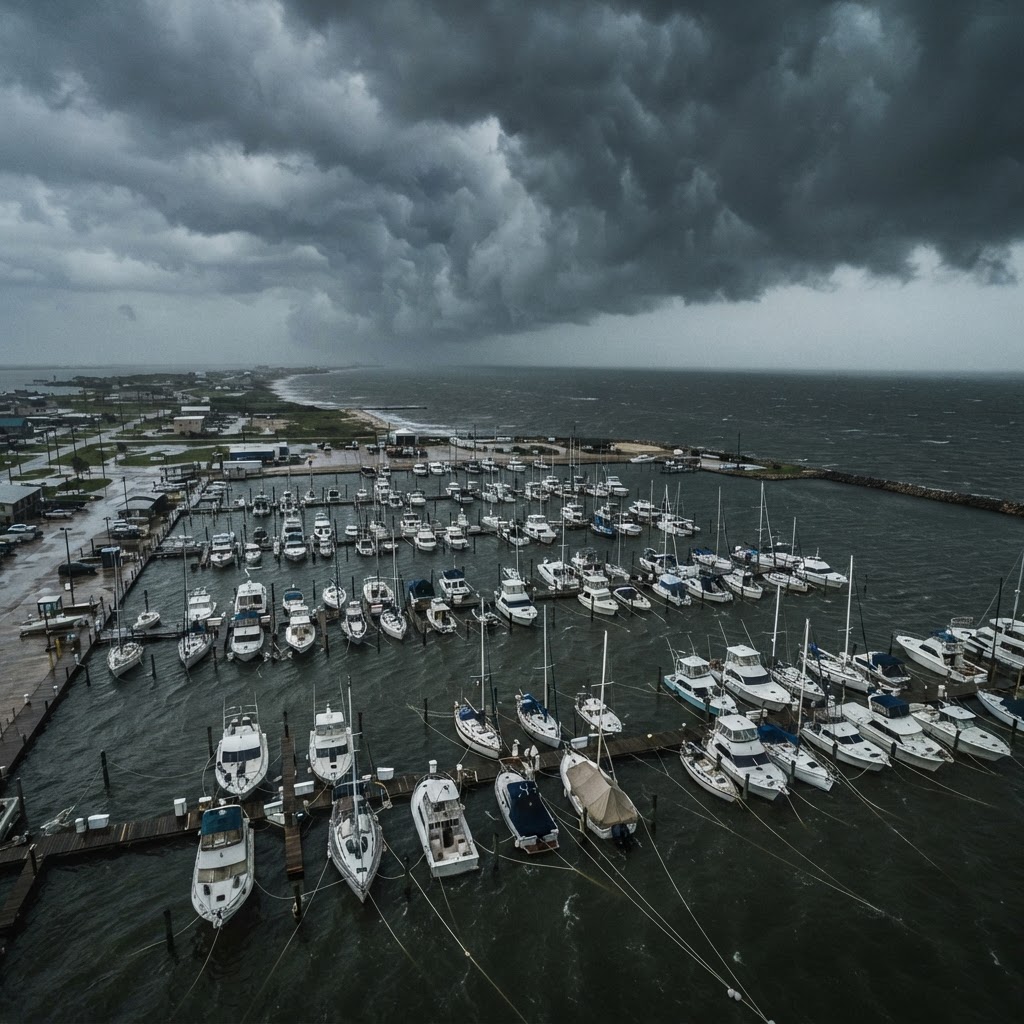
The worst time to plan for a named storm is the 72 hours before it arrives, when hardware stores are picked clean and every captain on the coast is fighting for the same dock lines. Hurricane season on the Gulf Coast runs from June 1 through November 30, with the statistical peak in mid-September. For slip renters, preparation is a season-long mindset that begins the day you sign your slip agreement.
Build a Plan Before You Need One
Your plan should answer three questions in advance. Decide whether the boat stays in the slip, hauls out, or relocates. Know your vessel's draft, your marina's storm surge capacity, and the haul-out availability at B&T Marine on site. Figure out what lines, fenders, and anchors you need and where you will store them, then pre-cut extra lines and stage them with the boat, not in a garage 30 miles away. Name a backup, too. If you are out of town when a storm forms, you need someone with keys who knows your plan and is authorized to act on your behalf.
Securing the Vessel in the Slip
If your plan is to ride out the storm in the slip, the goal is to manage the surge, not fight it. Storm surge can raise water levels five to ten feet above normal, and your lines must accommodate that range without going slack or snapping.
Double every line. Run a primary and a secondary set of breast, bow, and stern lines, each sized for the full load. Use chafe gear at every point a line passes through a chock or over a cleat. Fire hose, commercial chafe guards, or reinforced garden hose all work. Chafe, not breaking strength, is what loses boats in storms.
Add long spring lines running at shallow angles to absorb motion and keep the boat from surging forward or aft as the water rises and falls. Double your fenders and position them high enough to account for surge. If the boat next to you breaks loose, your fenders are the last thing between your hull and damage.
Strip the Windage
Anything that catches wind needs to come off or come down. Canvas, bimini tops, enclosures, antennas, outriggers, and loose gear all become sails in hurricane winds. Remove what you can, lash down what you cannot, and clear the cockpit of anything that could become a projectile. Close and dog every hatch, seal the cabin, and remove or secure your electronics.
Work With Marina Staff
Orange Beach Marina staff monitor every storm track and will communicate preparation deadlines as a system approaches. Respect those deadlines. They are set to give the dock crew time to secure the facility, not to be negotiated. If you are hauling out, schedule it early. If you are staying, confirm your slip assignment and let the Harbor Master know your plan so they can account for your vessel during the storm.
After the Storm
Do not rush back to the dock. Wait for the all-clear from marina staff, who will assess the facility for submerged debris, damaged cleats, and power issues before opening the docks. Inspect your lines, check your bilge, and photograph any damage before you move the boat. The hours after a storm are when careless moves cause the damage that the storm itself spared.
Ready to Reserve Your Slip?
Submit a reservation request and our Harbor Master will confirm availability for your vessel.
Request a Slip