Choosing the Right Boat Slip on the Gulf Coast
Five measurements decide whether a slip fits your vessel and your routine. Here is how to get them right on the Gulf Coast.
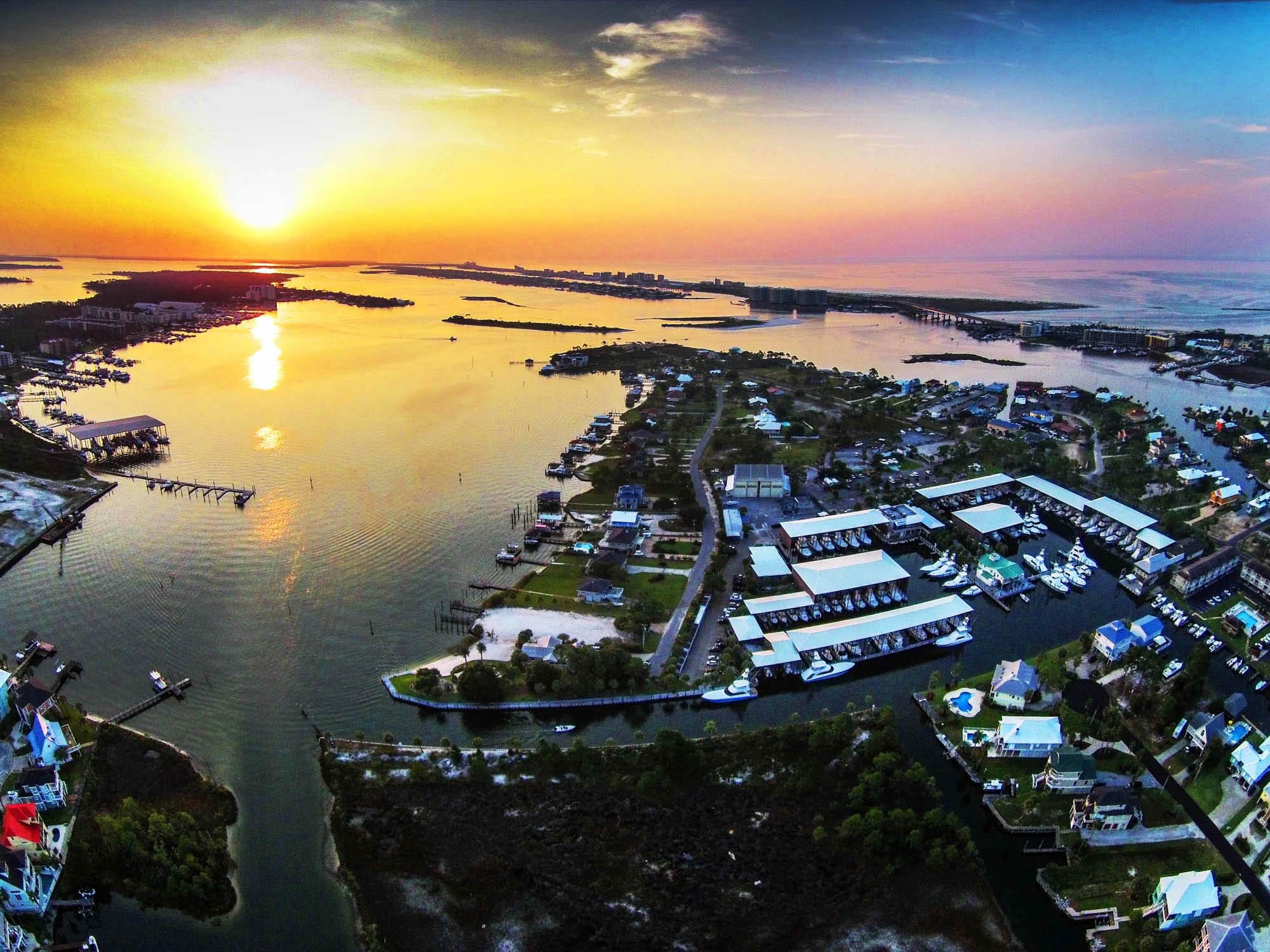
A boat slip is the base of operations for every trip and the place your vessel sits through the off-season. On the Gulf Coast, summer hurricanes and winter cold fronts both demand respect, and the right slip keeps your boat safe, accessible, and ready to run.
Measure your vessel honestly before you fall in love with a dock view. Three dimensions govern fit. Length overall should include the pulpit, swim platform, and outboard, because a 28-foot boat with a bolted-on platform often needs a 32-foot slip. For beam, measure the widest point including rub rails. A slip rated for 10 feet will not hold an 11-foot-six vessel comfortably, and tight fits mean gelcoat damage on every tide change. Draft is the deepest point of your hull, keel, or lower unit. Gulf Coast marina depths vary, and a slip that floats your neighbor's center console may not float a deep-vee sportfish at low tide.
Covered vs. Uncovered
Covered slips cost more, and on the Gulf Coast they earn every dollar. A covered berth shades your hull from the UV that fades gelcoat and bakes vinyl, keeps the cockpit dry through summer pop-up thunderstorms, and slows the growth of barnacles and algae on the waterline. For boats that sit between trips, covered storage pays for itself in cleaning and maintenance savings within a season or two.
Uncovered slips make sense for vessels that run often, for captains who want maximum beam clearance, or when covered availability is tight. If you go uncovered, budget for a quality cover and commit to regular hull cleaning.
Power and Water
Shore power is not optional on the Gulf Coast. Air conditioning, battery chargers, and refrigeration all need amperage, and the wrong service means tripped breakers and dead batteries. 30-amp service handles most center consoles and smaller boats running a charger and a single AC unit. 50-amp service is the standard for boats with multiple AC units, ice makers, or larger battery banks. Confirm the slip's service matches your boat's inlet before you sign. Adapters exist, but they do not create amperage that is not there.
Fresh water at the slip is the quiet luxury you will miss most. Washing down after every trip keeps salt from eating your hardware, and it turns a five-minute rinse into a routine instead of a chore.
Access and the Run to the Gulf
The best slip in a marina is the one that gets you on the water fastest. Orange Beach Marina sits minutes from Perdido Pass, the gateway between the Intracoastal Waterway and the Gulf of Mexico, which means less no-wake idling and more fishing time. When you compare slips, ask about the run to open water, bridge clearances on your route, and fuel dock proximity. A cheap slip an hour from the pass is not a bargain on tournament day.
Bring your real measurements, know your amperage, and think about how you actually use the boat. Our Harbor Master can walk you through the options. Submit a reservation request and we will match your vessel to the right berth.
Ready to Reserve Your Slip?
Submit a reservation request and our Harbor Master will confirm availability for your vessel.
Request a Slip